Keeping Your Conservatory Cool and Comfortable in Summer
Conservatories are one of the most popular spaces in the home, offering plenty of natural light and a strong connection to the garden. However, during the summer months, they can quickly become too hot, too bright and difficult to use. With large areas of glass allowing in direct sunlight, conservatories often trap heat throughout the day, making them uncomfortable at the very time you want to enjoy them most.
The good news is that with the right blinds and shading solutions, you can transform your conservatory into a comfortable, usable space all year round. At Ashley Blinds, we help homeowners across Poole, Bournemouth, Wareham, Wimborne and the wider Dorset area find practical solutions to reduce heat, control light and improve comfort.
Why Conservatories Overheat
The main reason conservatories become uncomfortable in summer is due to solar gain. Sunlight passes through the glass and heats the space, with limited airflow to release that heat. You can find more information from the British Blinds and Shutters Association.
South-facing conservatories are particularly affected, but even smaller spaces can become too warm on bright days. Glare can also be an issue, making it difficult to relax, read, work or watch television in the space. Controlling how much sunlight enters your conservatory is key to making it usable.
How Conservatory Blinds Help
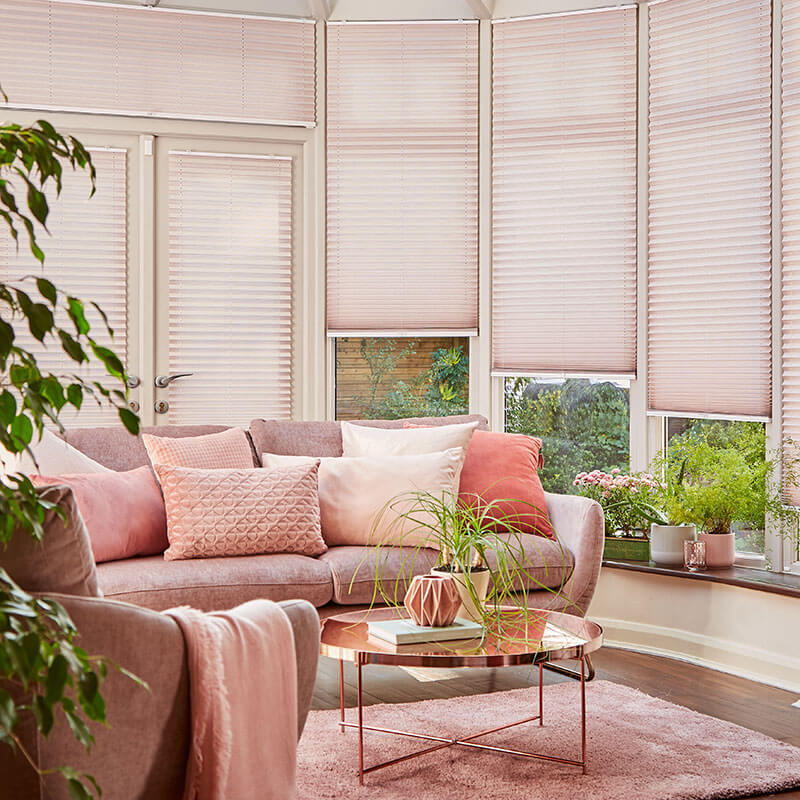
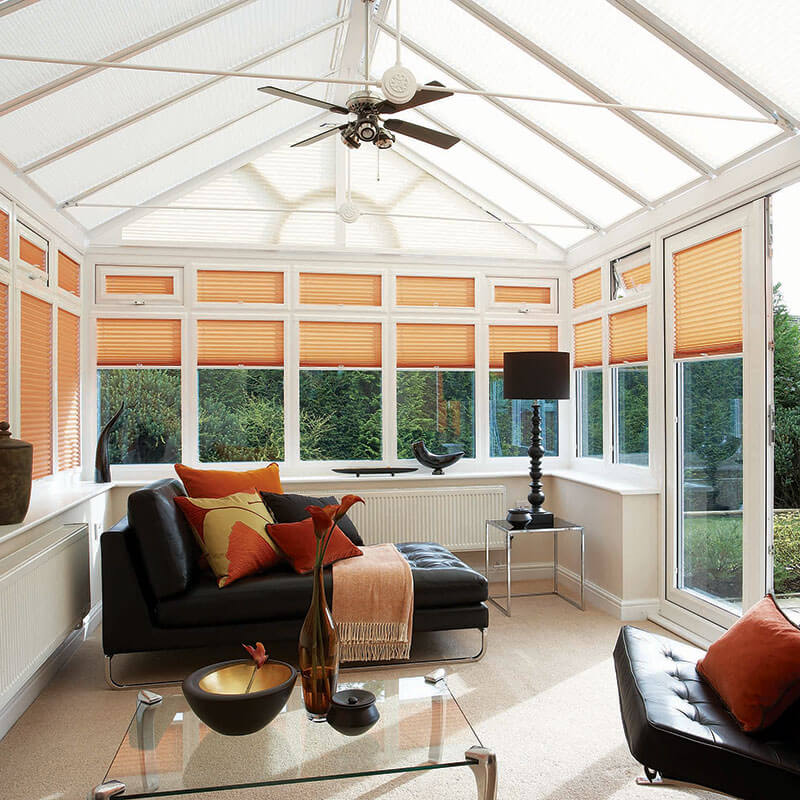
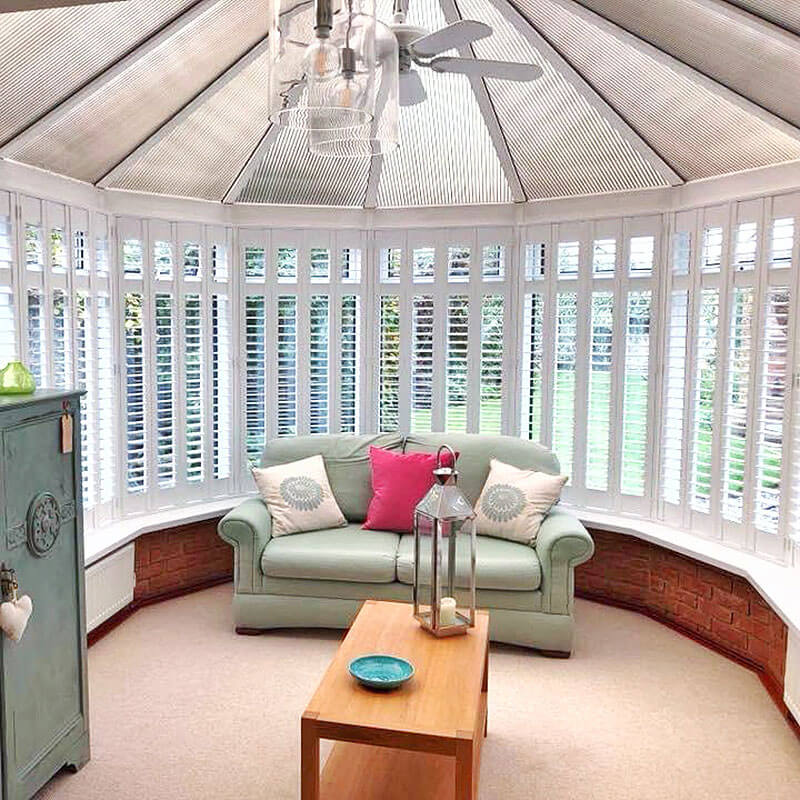
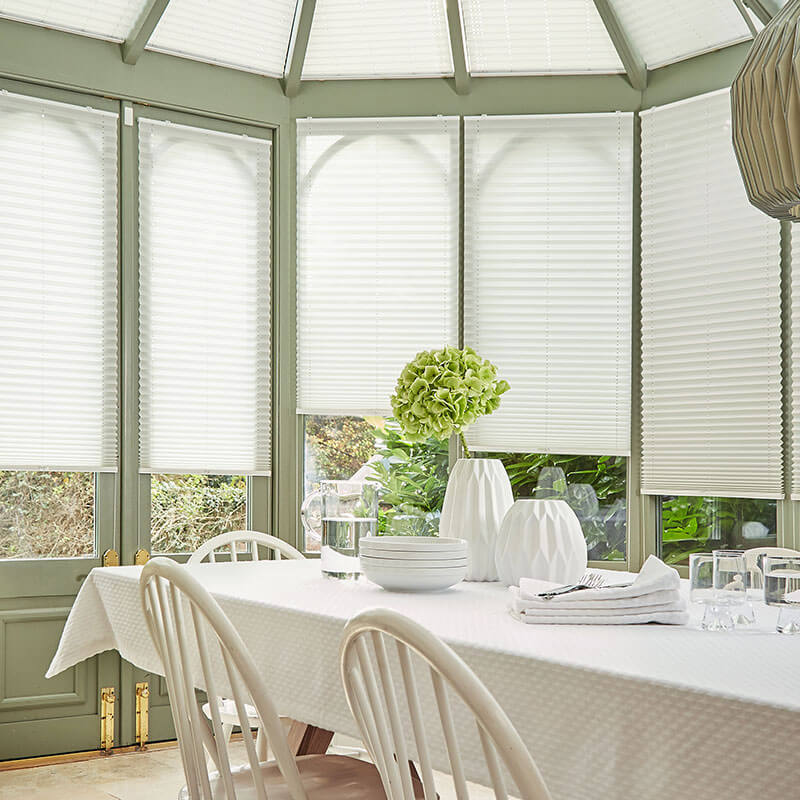
Conservatory blinds are specifically designed to manage light, heat and glare while still allowing you to enjoy the brightness of the space. By reducing the amount of direct sunlight entering through both windows and the roof, blinds help create a cooler, more comfortable environment. They also allow you to adjust light levels throughout the day, giving you flexibility depending on the weather and how you want to use the space.
Find out more about our specialist conservatory blind options here.
Roof Blinds for Heat Control
One of the biggest sources of heat in a conservatory is the roof. Installing blinds in the roof panels can significantly reduce the amount of heat entering the space, helping to keep temperatures lower during hot weather.
Roof blinds are particularly effective during the middle of the day when sunlight is strongest, and they can be adjusted as needed to maintain a comfortable balance of light and shade.
Blinds for Conservatory Windows
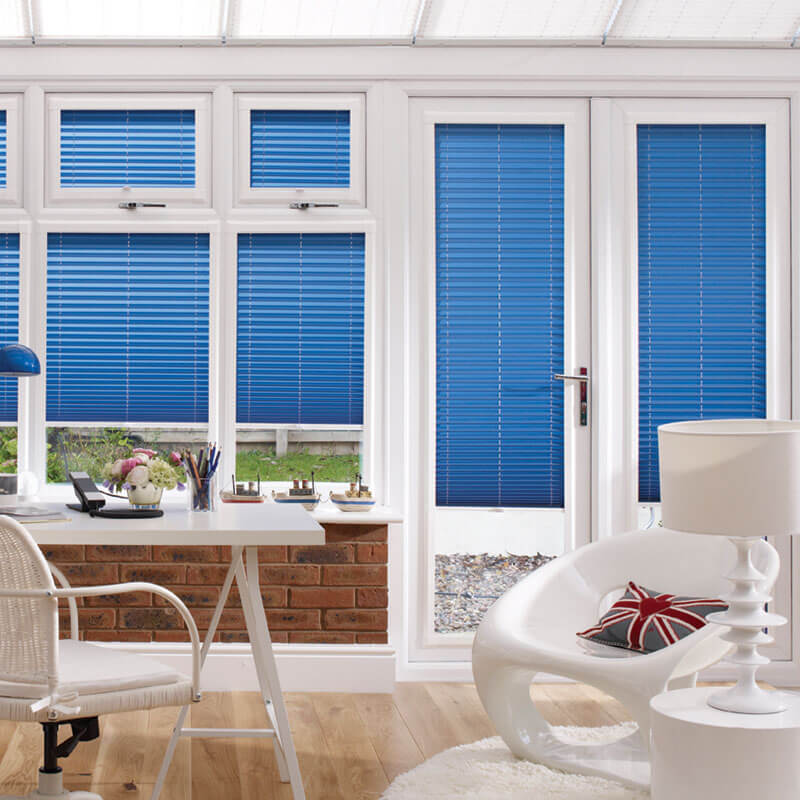
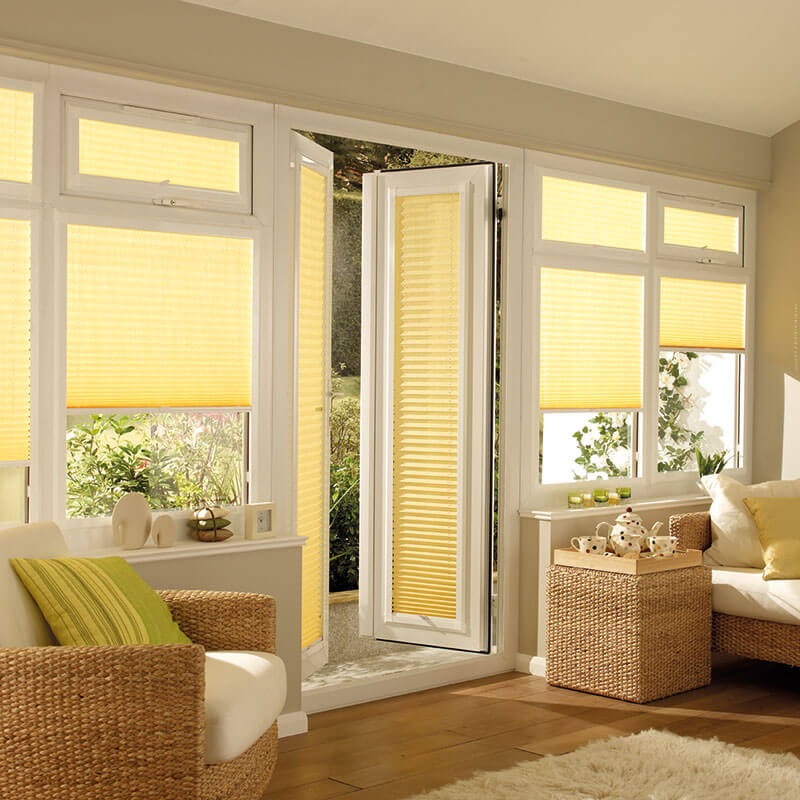
Window blinds play an important role in reducing glare and managing sunlight at eye level.
They are especially useful in the early morning and evening when the sun is lower in the sky.
Combining roof blinds with window blinds often provides the best overall result, giving you complete control over your conservatory environment.
Creating a Comfortable Living Space
With the right setup, your conservatory can become one of the most versatile rooms in your home. Rather than being too hot in summer and too cold in winter, properly fitted blinds can help you create a space that is comfortable for relaxing, working, dining or spending time with family.
This helps you achieve the garden-room style living you originally intended when the space was created. Good shading is especially valuable for busy households where flexible living space makes everyday life easier.
Extending Comfort Outdoors with Awnings
If your conservatory connects directly to your garden or patio, external shading can also play an important role. Patio awnings help block direct sunlight before it reaches your glass doors and windows, reducing heat inside while creating a shaded outdoor space. This not only improves comfort indoors but also gives you more usable space outside during the summer months.

Considering Ventilation and Additional Support
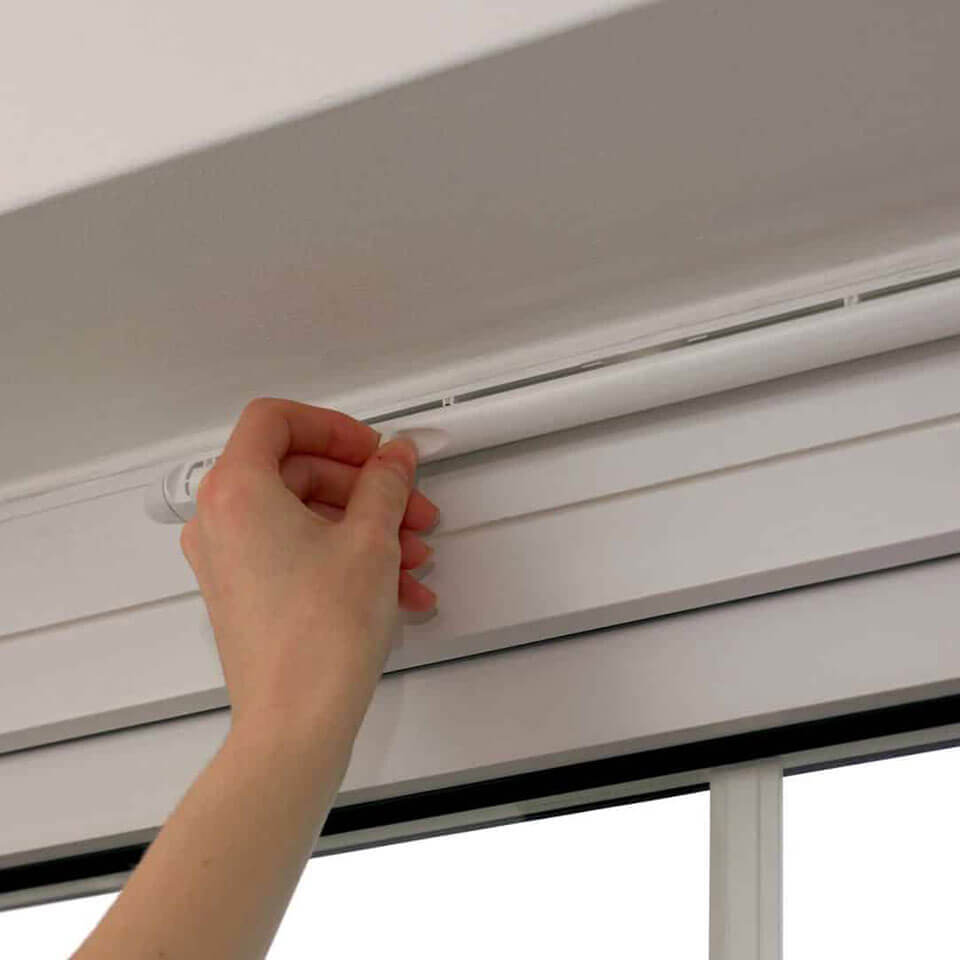
In addition to blinds, simple steps like improving ventilation can also help regulate temperature. Opening windows strategically or using roof vents can support airflow, while fans can help circulate air on particularly warm days.
For a longer-term solution, converting a glass or polycarbonate roof into a solid roof can be a worthwhile investment. It is well worth speaking to a reliable window or installation specialist such as Precision Repairs in Poole.
For more general advice on preventing overheating, guidance from organisations such as the BBSA can also be helpful.
Ready to Make Your Conservatory Usable Again?
If your conservatory feels too hot or too bright to enjoy, the right blinds can make a huge difference. At Ashley Blinds, we offer made-to-measure conservatory blinds, expert advice and professional installation. We work with homeowners across Dorset, including Poole, Bournemouth, Wareham and Wimborne, helping to create comfortable, practical spaces that can be enjoyed throughout the year.
Get in touch today to arrange a free home consultation and start making the most of your conservatory.
Frequently Asked Questions About Conservatory Blinds
Do conservatory blinds really help with heat?
Yes, blinds reduce the amount of direct sunlight entering the space, which helps lower temperatures and improve comfort. Some of the most thermally efficient options include duo pleated blackout blinds, also known as hive blinds.
Should I get blinds installed in the roof or windows of my conservatory or garden room?
Both are beneficial. Roof blinds are particularly effective for reducing heat, although not all conservatory roofs are suited to blinds. With our experience, we can advise on the best solution for your space. Window blinds help manage glare and light levels.
Can conservatory blinds be used all year round?
Yes, they can help keep spaces cooler in summer and add a layer of insulation during cooler months, making conservatories and garden rooms a truly usable extension of your home all year round.